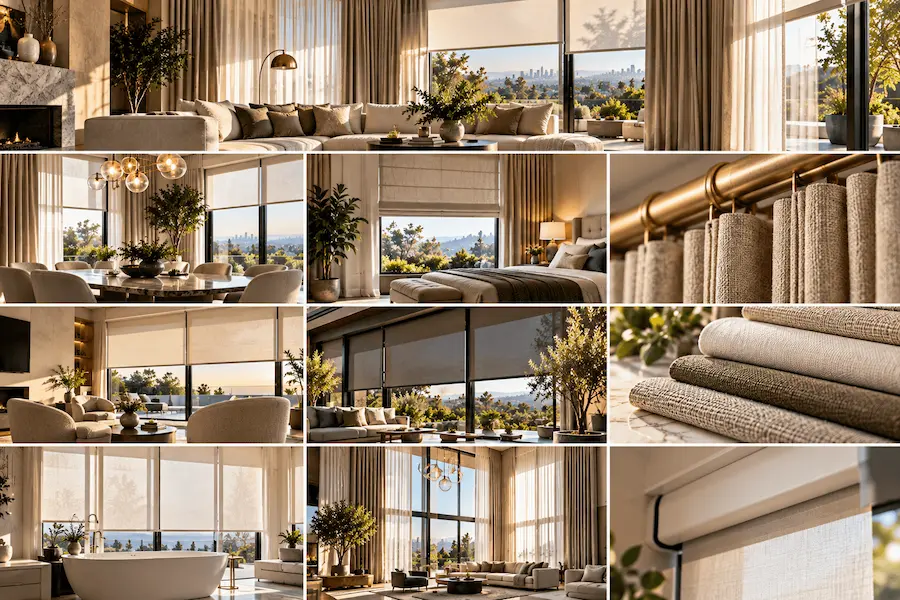

There is something undeniably elegant about beautifully designed, floor-to-ceiling curtains. The way fabric falls from the ceiling, the softness it brings to a room, and the architectural height it creates can completely transform an interior.
For homeowners in Los Angeles, where contemporary architecture meets sophisticated interior design, custom drapery has become an essential element of luxury living.
From expansive residences in Beverly Hills and Bel Air to coastal-inspired homes in Santa Monica and Brentwood, thoughtfully designed window treatments can enhance natural light, provide privacy, and create a refined atmosphere.
Unlike ready-made curtains, custom drapery is designed around your home’s exact window dimensions, architectural details, and personal style.
Whether you’re renovating a living room, designing a luxurious primary bedroom, or completing a new construction project, floor-to-ceiling drapery offers a timeless solution that combines beauty and functionality.
At RomRollShade, we specialize in custom window treatments that complement the distinctive character of Los Angeles homes.
In this guide, we’ll explore how to achieve the perfect floor-to-ceiling look, choose the right fabrics and pleat styles, and understand why professional customization makes such a difference.
Why Floor-to-Ceiling Drapery Is a Signature Feature of Luxury Interiors
Luxury interior design is often defined by proportion, balance, and attention to detail.
Floor-to-ceiling drapery brings these elements together by transforming ordinary windows into elegant architectural features.
Rather than simply covering a window, full-length curtains visually connect the ceiling and floor, creating a sense of height and sophistication.
Creating the Illusion of Taller Ceilings
One of the greatest advantages of floor-to-ceiling curtains is their ability to make a room feel taller.
When drapery hardware is installed close to the ceiling, the fabric creates long, uninterrupted vertical lines.
This draws the eye upward and makes the entire space appear more expansive.
Even rooms with standard ceiling heights can benefit from this technique.
For homes with exceptionally high ceilings, custom drapery emphasizes the property’s architectural proportions while adding softness to otherwise dramatic spaces.
This approach is especially effective in:
- Luxury living rooms with large windows
- Primary bedrooms with sliding glass doors
- Formal dining rooms
- Open-concept contemporary homes
- Residences with double-height ceilings
In upscale neighborhoods such as Beverly Hills and Bel Air, where expansive windows are common, custom drapery can help create a cohesive connection between the architecture and interior furnishings.
Adding Softness to Modern Architecture
Many contemporary Los Angeles homes feature glass walls, polished stone, hardwood floors, and minimalist furniture.
While these materials create a clean and sophisticated appearance, they can sometimes make interiors feel visually cold.
Custom curtains introduce softness, movement, and texture.
A carefully selected fabric can balance the hard surfaces of a modern home without compromising its architectural character.
For example, soft ivory drapery can complement natural oak flooring, while warm taupe fabrics pair beautifully with limestone, marble, and neutral furnishings.
The result is an inviting interior that feels both modern and timeless.
Enhancing Privacy Without Sacrificing Natural Light
Large windows are one of the most desirable features of luxury homes, but they also create privacy challenges.
Floor-to-ceiling drapery provides a flexible solution.
Lightweight sheer curtains allow daylight to enter while softening the view through the glass. Heavier decorative or lined panels offer additional privacy when closed.
However, sheer fabrics do not provide complete nighttime privacy, particularly when interior lighting is brighter than the outdoors.
For greater flexibility, homeowners can combine custom drapery with light-filtering shades or privacy-focused roller shades.
This layered approach allows you to adjust your window coverings according to the time of day, lighting conditions, and desired level of privacy.
It also creates the rich, dimensional appearance associated with professionally designed interiors.
Choosing the Right Drapery Fabrics, Colors, and Textures
Fabric selection is one of the most important decisions in custom drapery design.
The material influences not only how your curtains look but also how they hang, filter light, provide privacy, and perform over time.
Choosing the right fabric requires balancing aesthetics with the practical needs of each room.
Linen and Linen-Blend Drapery
Linen is a popular choice for contemporary and coastal-inspired interiors.
Its natural texture creates a relaxed yet sophisticated appearance, making it particularly attractive for homes in Santa Monica, Brentwood, and Pacific Palisades.
Linen drapery works beautifully with:
- Warm neutral color palettes
- Natural wood furnishings
- Minimalist architecture
- Organic modern interiors
- Coastal-inspired living spaces
Pure linen can wrinkle and change slightly with humidity, so linen-blend fabrics may be preferable when a more consistent appearance is desired.
The right lining and fabrication method can also help improve the finished look.
Velvet and Textured Luxury Fabrics
For homeowners seeking a more dramatic atmosphere, velvet and other substantial fabrics offer depth, richness, and visual warmth.
These materials are especially suitable for formal living rooms, dining rooms, and bedrooms.
Deep taupe, charcoal, muted olive, and warm brown tones can create a sophisticated look without overwhelming the space.
Heavier fabrics may also provide additional light reduction and acoustic softness, although their performance depends on the material, lining, and installation.
Because substantial fabrics place greater demands on hardware, selecting the correct track or rod system is particularly important.
Sheer Drapery for Elegant Light Filtering
Sheer curtains are an excellent option for homeowners who want to preserve the bright, open atmosphere of their interiors.
They gently diffuse direct sunlight, creating a soft glow throughout the room.
In Los Angeles, where abundant sunshine is part of everyday life, sheer drapery can make large windows feel more comfortable and visually refined.
Sheer curtains are particularly effective when paired with decorative drapery panels or custom roller shades.
For bedrooms requiring stronger light control, homeowners may prefer to combine sheers with blackout roller shades.
This combination allows the room to maintain an elegant daytime appearance while providing a darker sleeping environment when needed.
Choosing Colors That Complement Your Interior
The most successful custom drapery designs feel like a natural extension of the room.
For contemporary Los Angeles homes, popular design directions include:
Warm Whites and Ivory: Create a bright, timeless appearance while complementing modern architecture.
Soft Beige and Taupe: Introduce warmth and depth without dominating the interior.
Natural Linen Tones: Work beautifully with organic materials and coastal-inspired spaces.
Muted Earth Colors: Add subtle character to neutral interiors.
Charcoal and Deep Neutrals: Create contrast and a more dramatic architectural statement.
Rather than choosing a color based solely on a small fabric sample, consider how the material looks in natural daylight and under your home’s evening lighting.
Fabric samples can appear significantly different depending on the surrounding finishes and light exposure.
Professional guidance can help homeowners select fabrics that complement both their interior design and practical requirements.
Ripple Fold vs. Pleated Drapery: Finding the Perfect Style
Beyond fabric selection, the heading style determines how custom curtains hang and how they contribute to the overall appearance of a room.
Two popular choices for luxury interiors are ripple fold drapery and traditional pleated drapery.
Each creates a distinct aesthetic.
Ripple Fold Drapery: Clean, Contemporary Elegance
Ripple fold drapery is characterized by smooth, continuous waves of fabric.
The curtains hang from a specialized track system that maintains consistent folds across the window.
This creates a streamlined appearance that works especially well in modern and minimalist homes.
Ripple fold drapery is often selected for:
- Contemporary living rooms
- Large sliding glass doors
- Floor-to-ceiling windows
- Open-concept interiors
- Minimalist luxury residences
Its consistent wave pattern creates visual rhythm without the more formal appearance of traditional pleats.
Ripple fold systems can also be well suited to motorization when compatible hardware and controls are selected.
For homeowners interested in automated window coverings, exploring motorized blinds installation can provide additional context about the benefits and considerations of motorized systems.
Pinch Pleat Drapery: Timeless Sophistication
Pinch pleat curtains offer a more structured and traditional appearance.
The fabric is gathered into carefully sewn pleats near the top, creating controlled folds that extend toward the floor.
Depending on the design, pinch pleats can feel formal, transitional, or contemporary.
They work particularly well in:
- Traditional luxury homes
- Formal dining rooms
- Elegant primary bedrooms
- Transitional interiors
- Spaces featuring decorative drapery hardware
For Beverly Hills and Bel Air residences that combine classic architectural details with modern furnishings, pinch pleat drapery can provide an attractive balance.
Which Style Is Better for Your Home?
Neither option is universally better.
The ideal choice depends on your home’s architecture, furniture, fabric selection, and desired atmosphere.
Ripple fold drapery is generally a strong choice for homeowners seeking clean lines and understated elegance.
Pinch pleat drapery is often preferable when a more tailored or decorative appearance is desired.
Both styles can be customized with different fabrics, fullness levels, lining options, and hardware finishes.
The amount of fabric used is especially important.
Insufficient fullness may cause curtains to appear flat, while excessive fullness can create unnecessary bulk.
Professional measuring and fabrication help ensure the finished drapery looks balanced and hangs properly.
The Importance of Drapery Hardware
Beautiful curtains depend on more than fabric.
The track, rod, brackets, and mounting system all contribute to the final result.
For floor-to-ceiling installations, hardware must support the fabric’s weight while allowing smooth operation.
Ceiling-mounted tracks can create a clean architectural appearance, particularly when the hardware is recessed or concealed.
Decorative rods may be preferable in traditional interiors where the hardware is intended to be visible.
For wide windows or substantial fabric panels, proper support and installation become even more important.
The goal is to create a finished design in which the fabric, hardware, and surrounding architecture work together seamlessly.
Professional Measuring, Custom Fabrication, and Installation in Los Angeles
Achieving the perfect floor-to-ceiling look requires more than selecting an attractive fabric.
Precise measurements, thoughtful fabrication, and professional installation all influence the final appearance.
Even small measurement errors can affect how curtains hang, move, and meet the floor.
Why Professional Measuring Matters
Custom drapery must account for several architectural details.
These include:
- Ceiling height and mounting position
- Window width and surrounding wall space
- Sliding door operation
- Furniture placement
- Baseboards and flooring
- Drapery stacking requirements
- Hardware clearance and structural support
For example, curtains installed too close to the window frame may reduce the amount of natural light entering the room when opened.
Similarly, insufficient wall space can prevent drapery panels from stacking neatly beside the glass.
Professional planning helps avoid these problems before fabrication begins.
Homeowners comparing different types of coverings can also explore our guide to choosing custom window treatments to better understand how various styles work with different rooms and window configurations.
Choosing the Perfect Curtain Length
The length of floor-to-ceiling curtains has a significant impact on their appearance.
Three common approaches include:
Floating: The curtains stop slightly above the floor, creating a clean appearance and making everyday operation easier.
Kissing the Floor: The fabric meets the floor with minimal excess material, producing a precise, tailored finish.
Puddling: Additional fabric rests on the floor, creating a softer, more dramatic appearance.
For contemporary Los Angeles homes, floating or floor-kissing curtains are often preferred because they create a streamlined look.
Puddled drapery can be beautiful in formal interiors, although it generally requires more maintenance and may be less practical for frequently operated curtains.
The correct length also depends on the fabric’s behavior, flooring conditions, and installation method.
Custom Fabrication Makes the Difference
Ready-made curtains are manufactured in standard dimensions.
Custom drapery, by contrast, is designed for the exact requirements of your windows.
This allows greater control over:
- Fabric selection and pattern placement
- Curtain length and width
- Pleat style and fullness
- Lining and light control
- Hardware compatibility
- Overall proportions
For homes with unusually tall windows, wide glass walls, or distinctive architectural features, customization can be especially valuable.
It helps create a cohesive appearance that standard products may struggle to achieve.
Combining Drapery With Other Window Treatments
Custom drapery does not need to function as a standalone window covering.
Many luxury interiors benefit from combining curtains with roller shades, Roman shades, or other window treatments.
For example, a living room may feature sheer drapery for softness and roller shades for additional glare control.
A bedroom may combine decorative curtains with blackout shades for improved nighttime comfort.
A formal dining room may use tailored drapery panels alongside subtle Roman shades.
Homeowners considering different combinations can explore our Roman shades collection and design guidance or learn more about roller shades for windows.
The best combination depends on the room’s function, window dimensions, privacy requirements, and desired design.
Custom Drapery for Beverly Hills, Bel Air, Brentwood, and Santa Monica Homes
Every Los Angeles neighborhood has its own architectural character.
In Beverly Hills and Bel Air, expansive living spaces and dramatic windows often call for elegant, full-length drapery.
Brentwood homes frequently combine contemporary architecture with warm, natural materials, making linen-blend curtains and neutral fabrics attractive options.
In Santa Monica, coastal-inspired interiors often benefit from lightweight sheers and relaxed textures that complement abundant natural light.
Regardless of location, the most successful window treatments are designed around the property rather than selected from a one-size-fits-all collection.
For additional inspiration, explore our guide to window treatments for Beverly Hills homes.
Elevate Your Home With Custom Drapery From RomRollShade
Beautiful floor-to-ceiling drapery is more than a finishing touch.
It can enhance architectural proportions, soften contemporary interiors, improve privacy, and create a sense of comfort and sophistication.
From fabric selection to professional installation, every detail contributes to the final result.
At RomRollShade, we help homeowners throughout Greater Los Angeles explore custom window treatments designed to complement their homes and lifestyles.
Whether you’re interested in elegant ripple fold curtains, traditional pleated drapery, luxurious sheer fabrics, or layered window treatments, our team can help you find a solution that balances beauty and functionality.
Ready to transform your windows?
Call (818) 216-4210 to discuss your project or request a personalized consultation.
Discover how custom drapery can bring timeless elegance to your Los Angeles home.